At MIRATLAS, we are taking a major step forward in understanding and mastering atmospheric turbulence with a unique approach combining:
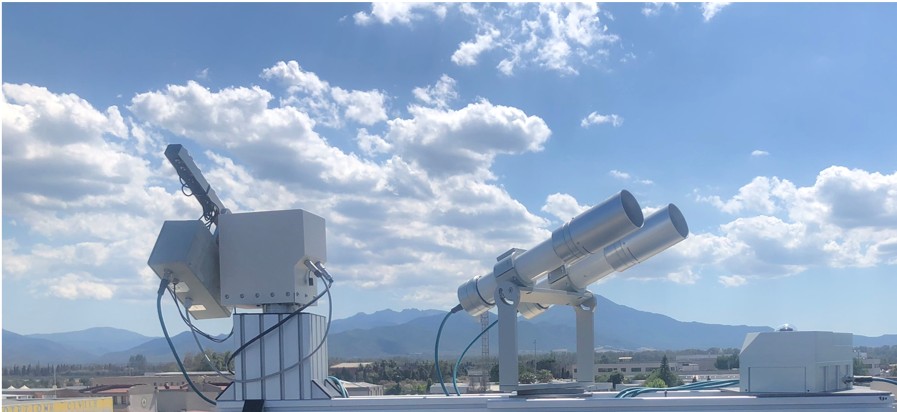
– SHABAR — high-resolution daytime turbulence profiling
– C-DIMM — reference nighttime turbulence measurement (seeing)
This complementarity makes MIRATLAS the only industrial player capable of providing a 24/7 view of optical propagation conditions, a major strategic advantage for modern optical architectures.
An unprecedented European campaign
Our instruments were operated over 12 months at 8 representative sites (observatories, suburban areas, diverse environments), including:
• Tenerife (Canary Islands) — reference astronomical site
• Cagliari (Sardinia) — urbanized environment with high thermal inertia
• Kryoneri (Greece) — observatory site
These measurements allow concrete optimization of:
• Optical ground-to-space link performance
• Optical ground station design
• Satellite operators’ operational strategies
• Secure laser communication architectures
• Adaptive optics and remote sensing systems
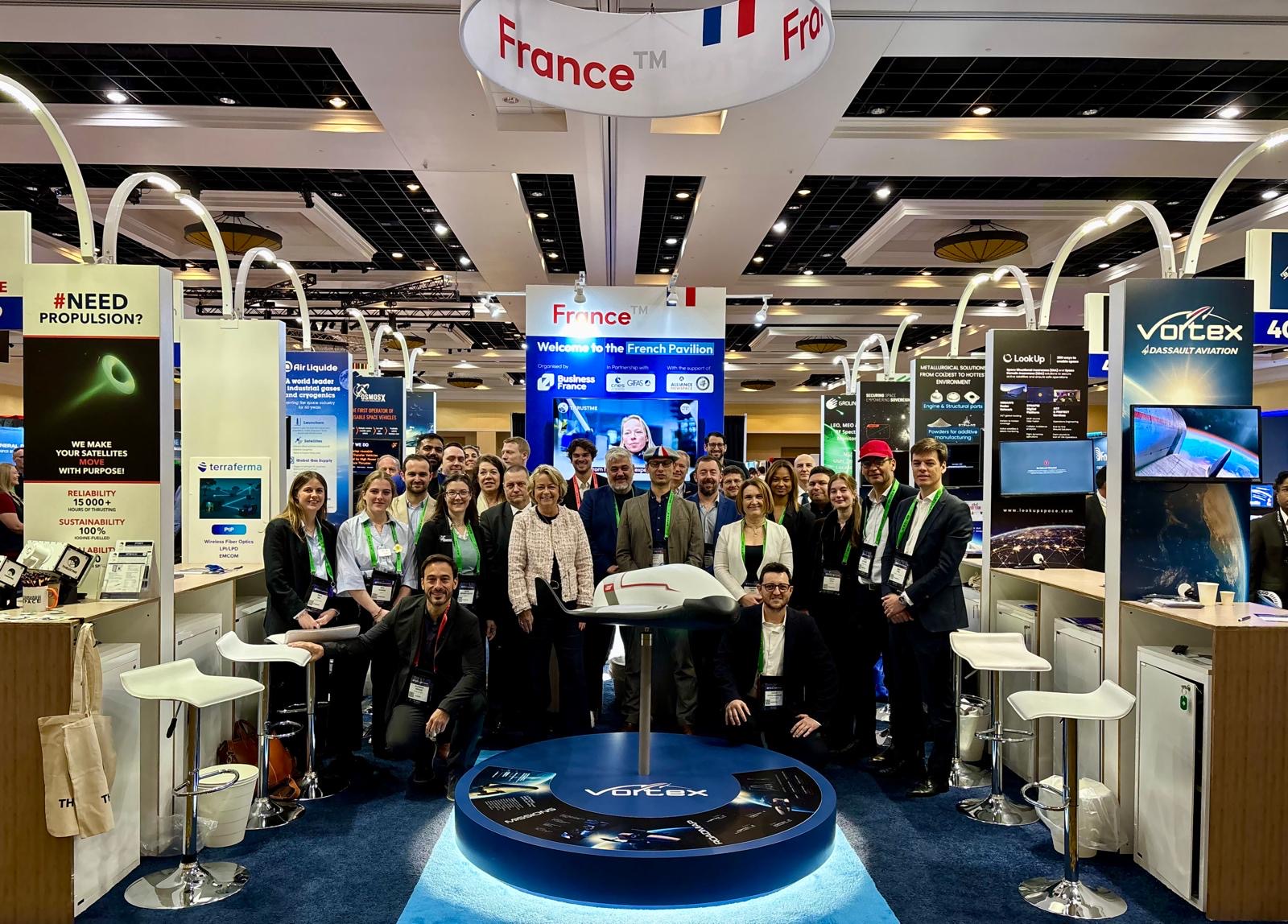
The results were presented exclusively at the latest SPIE Photonics West in January in San Francisco, generating strong interest from the space and photonics ecosystem and confirming the growing importance of advanced atmospheric characterization for future optical infrastructures.
Optical link availability for satellite operators
Our measurements allow operators to estimate real link availability, anticipate performance losses, and secure service models — a critical factor for both commercial and institutional optical constellations.
Why this is strategic for your projects
For satellite operators:
• Service availability forecasting
• Optimization of communication windows
• Operational risk reduction
For ground station builders and operators:
• Site selection based on real data
• Optimized optical design and adaptive optics
• Improved link uptime
For agencies, defense, research, and photonics industries:
• Concept validation
• Infrastructure qualification
• System performance improvement
Developing an optical ground-to-space or laser communication capability?
For US-based operators and integrators, we also have an American subsidiary to provide local support and service.